Showing posts with label indigo. Show all posts

Saturday, November 05, 2011

Another Visitor

Today I cut down the indigo and laid it out to dry in the sun. It was not quite hot enough to get it really dry. Sunday is forecast to have more sun and to be warmer so I will leave it out for another day to get it is dry as possible. The flower heads will then be cut off and bundled to hang to dry so the seeds will fall out. I am crossing my fingers that I have a nice crop of seeds! The indigo plot had a visitor that I had to ask to move out before I cut it.


Praying Mantis guarding the indigo. I think she looks like an alien from another planet.


Wednesday, November 02, 2011

The Indigo blossoms are starting to dry.
I promised pictures of the indigo's progress in my last post. I am so excited that I will get some seed this year. Last year the frost got my first crop of indigo before it went to seed. My husband has been wonderful about helping me get it covered at night and uncovered again in the mornings.

A closeup view of the drying flower heads shows the blossoms close up as they dry and the seed forms in the center.


I plucked off one of the dried flowers to see how far along the seeds have developed.


After rubbing off the dried husk, one tiny indigo seed emerges.

Monday, October 17, 2011

Indigo and Butterflies

A Buckeye Butterfly enjoying the sunshine and indigo.


If you zoom in, you can see the butterfly sipping from the indigo.   


The white blossoms started out looking pink. It was not until they fully opened that I could really tell the difference.


Thursday, September 29, 2011

Indigo Blossoms

My indigo is sporting some dainty pink flowers now. The kojyoko variety has not bloomed out yet and is supposed to have white blossoms. I think I see some buds forming on them. I am worried about a hard frost we are expected to have soon so I will have to watch and cover them if needed.

The leaves and stems have taken on a reddish cast as the buds came out.

A tiny spider is a bonus in this picture. The buds are just shooting out and are still green.
The buds are tiny and arranged on sprays.
An overhead view shows the arching of the sprays of flowers.

Lots of blooms coming out.
I love this picture! My husband even said it was a good portrait of the indigo buds.

One dainty flower opening.

More flowers opening.


I have made this picture my screensaver on my computer. I love the pink flower
buds against the blue sky. Not my best photo, but it makes me happy.

Tuesday, September 27, 2011

Indigo Comparison II

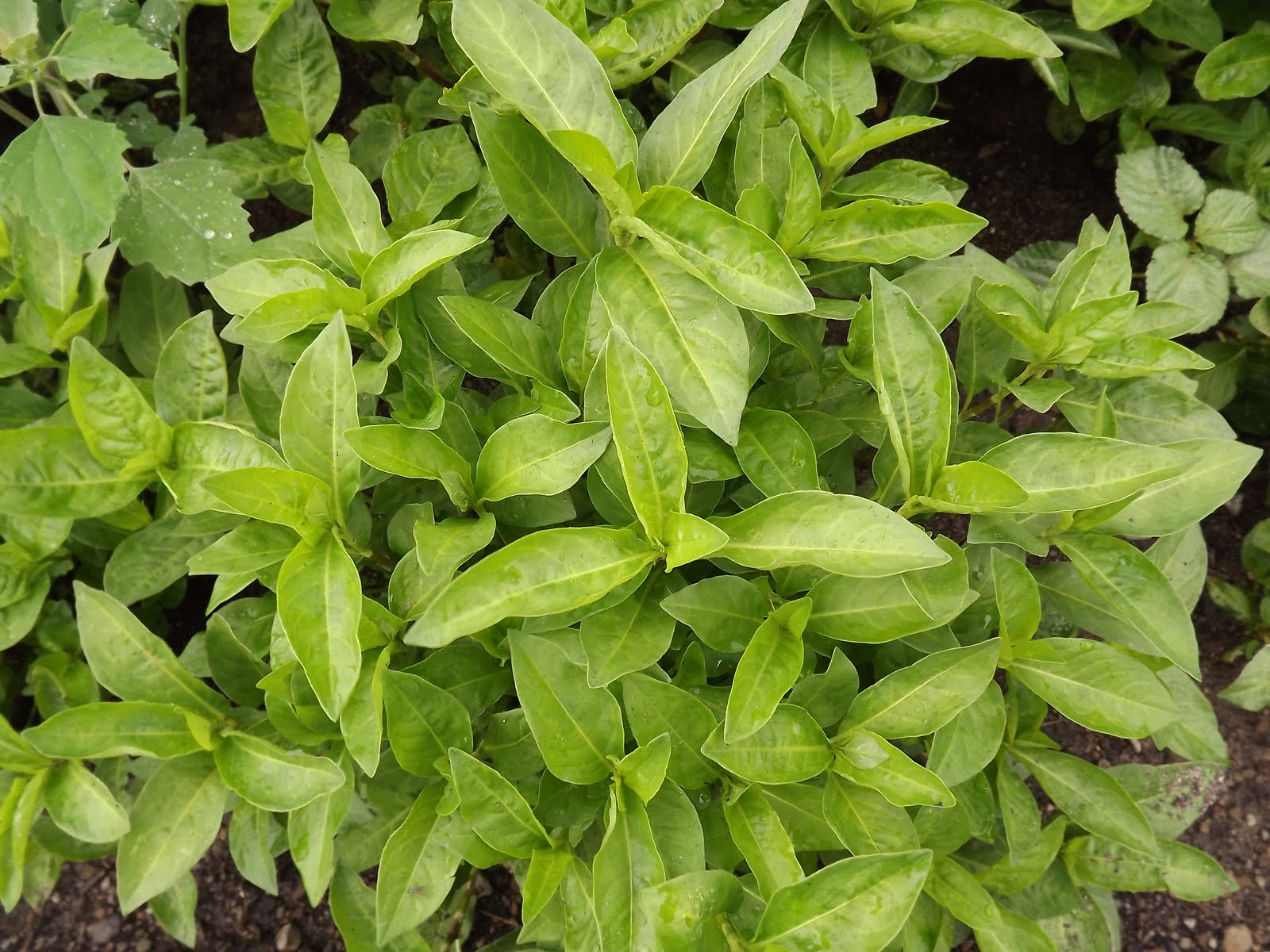
A comparison of two varieties of indigo. I know the one on the left is polygonum tinctorium. The one on the right seems to be slightly different but may still be polygonum tinctorium--just another variety.

To update, I have three varieties of indigo growing this year. Two types of polygonum tinctorium and a third I now believe was not identified correctly when I got the seeds. The third has thinner leaves that tend to curl and they seem to turn a darker blue when dried. The plants have gotten taller than the others after the same growth and have bloomed earlier than the others.

I removed a leaf from each of the plants in the picture above and slightly crushed them. The leaf on the left started to turn blue immediately and the one of the right only a little. The leaf on the left is much thinner and they have had a tendency to curl on the plants. The leaves are close in size as far as length and width go.


From left to right, the varieties are: the one I am unsure about, polygonum tincorium senbon, and polygonum tinctorium kojyoko. All were transplanted at the same time.

The unidentified stems approx 18" long, thick stems with reddish/brown cast. Leaves are thin and have a tendency to curl. Leaves are slightly olive in color. Larges leaves are approx 3-4" long and 2" wide at widest point.

Polygonum tinctoria  senbon. Stems are approx 18" long with a reddish cast. Leaves are bright green and approx 3-4" long and 2" wide at widest point.
Polygonum tinctoria kojyoko. Stems are approx 12-14" long and are green with some brown. Leaves are bright green and approx 2-3" long and 1 1/2" at widest point. This variety seems to grow a little more compactly.

Left to right, the unidentified variety, polygonum tinctoria senbon, polygonum tinctoria kojyoko leaves for a side by side comparison. 


Next I will compare the dried stems and leaves and then the blossoms and seeds. I am still working to confirm what variety of indigo I have in the third set of plants.

Sunday, August 21, 2011

Indigo Comparison

I finally have some time to update on my indigo from this summer! Even though life's event put me a little behind on my indigo, I am still on target for the goal I set for my indigo this year--a comparison of the plants. I have three varieties going. All though all are polygonum tinctorium, they are each a little different. For my project this summer, I used the seeds I had left from Companion Plants and two varieties I was able to purchase from the Indi Growing Blue project. I compared the two varieties of seeds in this post http://elephantbooty.blogspot.com/2011/04/looking-close-at-indigo-seeds.html Now to compare the growing plants:

The kojyoko variety will have white bloom and green stem.
The senbon variety will have pink blooms and stems with a reddish cast.
From Companion Plants, labeled Polygonum Tictorium, but not sure of the actual variety.


From the pictures above, you can see that the top two look very similar as far as the leaves go. I need to get a picture of the stems for my next post. The bottom picture shows how the leaves are darker and have a tendency to curl on the other variety. It is interesting for me to note that Companion Plants no longer carries Polygonum Tinctorium and has instead Indigofera Tinctoria. I am wondering if what they had  before was not labeled correctly or had not been indentified correctly.

In order to make sure I get some seeds from these plants, I am going to let one group from each row remain uncut. I will be able to harvest the leaves soon and I am devising a method for comparing the yields of each variety.

Thursday, June 30, 2011

Indiana Weather

I have gotten behind on posting here. Life is keeping me very busy at the moment. I find it hard to document my work when I get this busy. I am so involved in just doing the work I lose myself to it.

My indigo is a little behind schedule due to the Indiana weather we have been having. I am thinking I may be lucky to get one harvest this year before letting it go to seed. I have three varieties going and I hope to be able to compare the colors from each.

I have not started my fermented vat yet either. I am really excited about it but my husband is going to have to treat the backyard and porch area for ticks before I can spend much time there. Ticks seem to love me and I am fighting off my second round of Lymes. Hopefully next week will be productive on the indigo front and I will get pictures posted to update the indigo's progress.

Wednesday, May 11, 2011

Indigo update

My seedlings are making good progress. The first set of seedlings is almost ready to transplant. I hope we get a weekend with clear weather so I can get the planting bed ready for them.


My first set of seedlings need to be thinned out to get them ready for transplanting.


Senbon--not as many came up as the other variety.


Kojyoko--good success with germination for these.

Monday, May 09, 2011

Indigo Seedlings

My senbon variety of indigo---with the pink blooms and stems with a reddish cast--has germinated.

The kojyoko variety with the white blooms and green stems has also come up!

Wednesday, May 04, 2011

Indigo Cakes


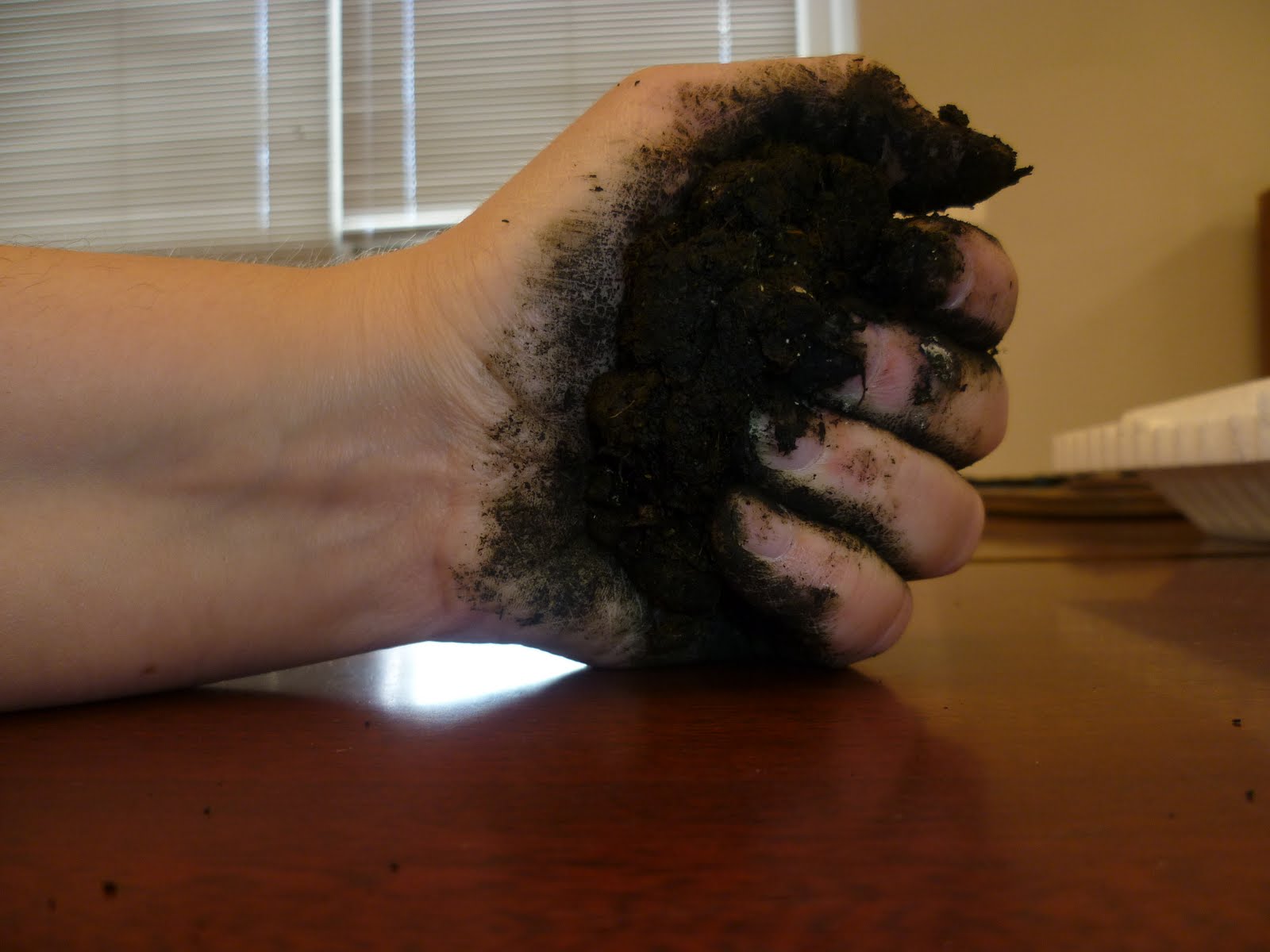
My indigo compost was down to about two inches in depth and had turned a blackish greenish blue. It now had the feel and consistency of a good clay soil.


I scooped out a handful and kneaded it in my hands and then rolled it into balls. The balls were flattened and formed into squared off cakes. I thrilled as I watched the outside of the cakes start to turn blue as they dried on the tray in the sun.


I know it does not look like much and I am not sure I have created a usable dye yet. Again I am having to be patient and wait and see. I was lucky enough to finally get a copy of Dorothy Miller's book "Indigo--From Seed to Dye." Reading about her learning process has been very helpful. I am trying to decide which of the recipes for a vat to follow as she offers several in her book.


Friday, April 22, 2011

Looking close at indigo seeds

Indigo does not come from just one plant. Japanese indigo also has several varieties as I am finding out.


The packages of indigo from Rowland Ricketts are nicely labeled indicating the name of the variety and what color blooms they will have. It also states the tint the stems will have. The kojyoko variety will have white bloom and green stems while the senbon variety will have pink blooms and stems with a reddish cast. I plan to separate these in my garden so I can track the differences in them this year. I want to look at yield of dried leaf and color produced from the dried leaf.

The seeds are slightly different in appearance as well as being different from the seeds I got last year from http://www.companionplants.com/  The seeds from Companion plants are flatter and smaller and dark brown in color.  I started those last week and they are now sprouting.
Indigo sprouts
leaning toward the light
You can see the shells of the seeds
clinging to the cotyledons.
The white fuzz is the thin
hair-like roots forming.


Above are the seeds from the new packages. On the left in each picture is a seed still in the husk. On the right is the actual seed. The kojyoko seed is darker and smoother than the senbon. Both the kojyoko and senbon seem to have three sides instead of the two sided flat seeds from Companion Plants which is labeled as indigofera tinctoria which is part of the pea family.  The Japanese variety--polygonum tinctorium is part of the buckwheat family. I will be starting the flats of these seeds this next week.

Actinomycetes

Actinomycetes!  Scary sounding name, but turns out it is a beneficial type of bacteria in the composting process. I was a bit concerned when I opened up my indigo compost to turn it and add oxygen to the pile. I thought the whitish gray fuzzy stuff in there was mold. Read more about Actinomycetes at http://soils.usda.gov/sqi/concepts/soil_biology/bacteria.html

The compost had an earthy soil-like smell and not a moldy one, very much like going outside on a warm day after it has rained. I was happy to find that it was warm and the bulk seemed to be shrinking. It needed more water than I had originally thought.
The little whitish gray thread-like
fungi is the actinomycetes.

Thursday, April 21, 2011

Indigo seeds have arrived

I now have my indigo seed from Rowland and I am really excited about getting it started. I was sharing my plans with my students and they think I have gone a bit nutty. They don't understand why I want to do my own experiments with the process instead of just looking up what someone else has done on the internet. I have look at other sites, other books, taken classes and listened to the wisdom of the instructors, but nothing replaces experiencing something for yourself.  It is the difference between reading about chocolate and actually eating it, between falling in love for the first time and having sometime tell you about it. It is just not the same as experiencing it and learning as you go along. My students are so impatient with the doing of things, the actual making of things. They do not value or honor the process and it shows up in their work. I hope as they mature, they will remember what I have tried to teach them about this.

Rowland was kind enough to send one of the promo cards
from one of his shows with a little advice!

Wednesday, March 30, 2011

Patience

I have learned that with indigo, you must have patience. Or perhaps it is about flowing with the seasons?  I really don't think our western culture encourages that. We want it now--right now! I have had two large jars of leaves fermenting since September. The indigo looks to be settling in them now.  I am going to go ahead and process one of the jars next week to see if it is indeed ready. If not, I have my backup jar.  Pics and info on that next week.


In the meantime, I have started composting my dried leaves. I had two varieties of indigo growing. Polygonum tinctorum from Companion Plants and seedlings from Rowland Ricketts IndiGrowingBlue project. Had I been planning better, I would have composted these separately to test out the colors. The dried indigo leaves were different in color and texture. The plants I grew from seed produced a dried leaf that was both more grey in color and crumbled finer. The plants from Rowland (which were started with his seed from Japan) stayed bluer and crumbled in bigger pieces and was more leathery instead of dusty.  The smell of the crumbled dried indigo is very earthy.


To compost the indigo I am using a styrofoam cooler. My small amount of indigo (three gallon size bags) just fits inside the cooler. Hopefully as the indigo starts to break down, the styrofoam will help it maintain the heat needed for composting. I have placed it in a sunny window in my school room with the lid weighted down.
I sprinkled in layers of the dried indigo and misted it with hot water from a spray bottle in between layers.  After a few layers I stirred it up with my hands and then repeated the process until I had used all of the dried indigo. The compost was covered with a few layers of muslin to help hold in the moisture. Every few days it is checked for moisture and turned. Water is added as needed.  I am hoping as our weather gets warmer and there is more sun, the process will speed up.


The first layer of dried indigo!

Adding water and mixing after yet another layer was added.

The top layers consisted of the indigo I started from seed. It is grayer in color and the texture is finer. 

More mixing!  The smell was fabulous--so earthy and kind of pungent.
A few layers of muslin help hold the moisture in.